
Peeps into the Past: The Surrey MP who helped shape America's Thanksgiving celebrations
Hugo Berger
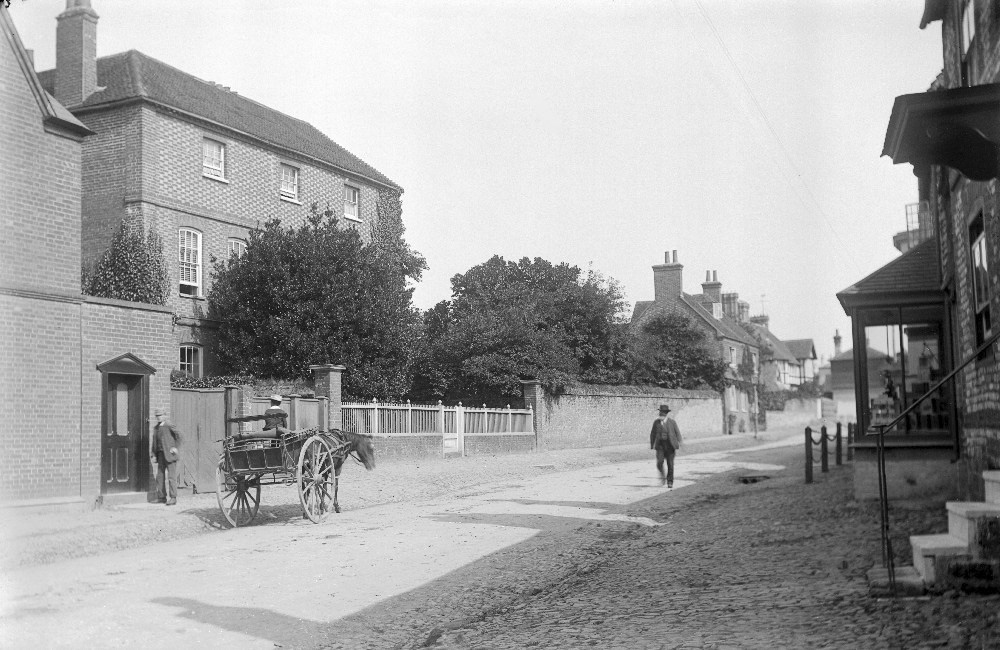
A historic house in Haslemere High Street has a connection to America's colonial past – and the complicated history behind Thanksgiving.
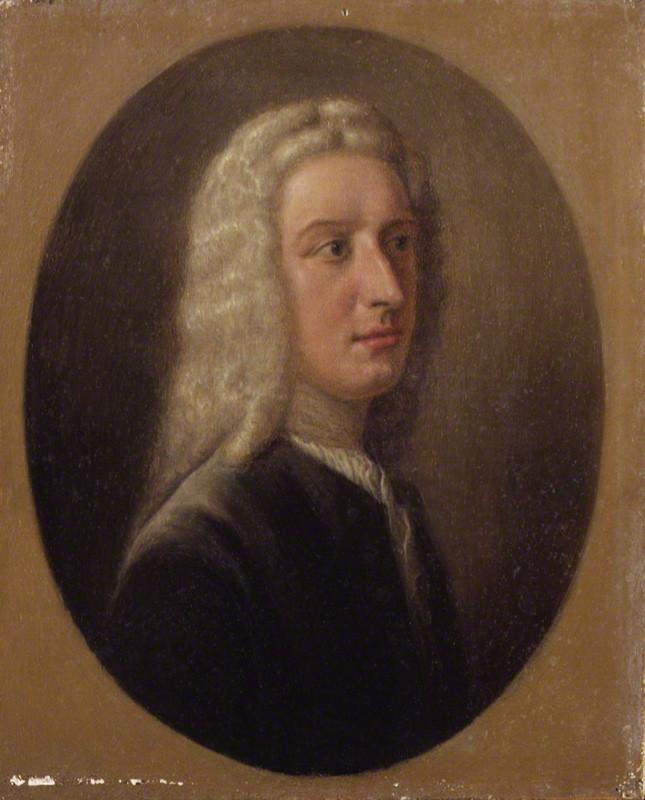
James Edward Oglethorpe, who became MP for Haslemere in 1722, helped establish the British colony of Georgia and forged a relationship with Native American leaders.
His story is relevant this month as millions of Americans prepare to celebrate Thanksgiving, a holiday rooted in the earliest encounters between English settlers and indigenous people.
Thanksgiving, which falls on the fourth Thursday in November, is traditionally a time for families and friends to gather, share a meal and give thanks for the good things in their lives.
Thanksgiving was established as a national observance by President Abraham Lincoln in 1863, during the American Civil War, although its origins are commonly traced to the arrival of the Mayflower in 1620.
On board were English religious separatists, known as the Pilgrim Fathers, who established a settlement at Plymouth, Massachusetts.
The Wampanoag people had lived in the region for thousands of years, but contact with European traders had introduced diseases that devastated their communities.
The newcomers struggled to survive their first winter, with almost half dying from disease, hunger and exposure.
Relations with the Wampanoag were initially cautious, but a mutual protection agreement was established in 1621. Native Americans also helped the settlers learn how to cultivate local crops.
That autumn, the colonists held a three-day harvest celebration, attended by around 90 Wampanoag men, including their leader Ousamequin, also known as Massasoit.
The Wampanoag brought five deer to the gathering, while wildfowl and maize were also eaten. The meal would have looked different from today's traditional Thanksgiving dinner of roast turkey and pumpkin pie.
Although remembered as the first Thanksgiving, the gathering was not known by that name at the time. Harvest celebrations and traditions of giving thanks had long been practised by Native American communities.
The uneasy peace eventually collapsed. By the 1670s, disputes over land and colonial expansion led to King Philip's War, in which thousands died.
Among those killed was Weetamoo, a prominent Wampanoag leader who resisted English expansion alongside Metacom, known to the colonists as King Philip.
For many Native Americans, Thanksgiving therefore carries a different meaning, with some observing it as a day of remembrance and mourning.
More than a century after the Mayflower arrived, Oglethorpe would play his own part in the history of European settlement and relations with Native Americans.
Oglethorpe represented Haslemere in Parliament for more than 30 years and was associated with the Town House in the High Street, a building that remains an important part of the town's history.
He became one of the driving forces behind the establishment of the British colony of Georgia, named after King George II.
On June 9, 1732, the King granted a royal charter establishing the colony, intended to provide opportunities for poorer settlers, encourage trade and create a defensive buffer against Spanish Florida.
Oglethorpe opposed slavery, which was initially prohibited in Georgia, along with the importation of rum. Religious freedom was permitted for many settlers, although Roman Catholics were excluded.
Later that year, Oglethorpe sailed from Gravesend aboard the Anne with more than 100 colonists, arriving in America in early 1733.
The settlers established what became Savannah, with the agreement of local Native American leaders.
Among the most significant was Tomochichi, chief of the Yamacraw, who developed a close working relationship with Oglethorpe.
Their cooperation helped establish the new colony, although relations between European settlers and Native American communities remained shaped by competing interests over land, trade and political influence.
In 1734, Oglethorpe accompanied Tomochichi and a Native American delegation to England, where they met King George II.
The visitors included Tomochichi's wife Senauki and their adopted son Toonahowi. During the visit, Tomochichi sought assurances about fair trade and educational opportunities for his people.
It was an extraordinary encounter between two cultures, made possible through the efforts of a man who represented Haslemere in Parliament.
Oglethorpe's relationship with Tomochichi continued after the delegation returned to America, and the two men worked together to maintain peaceful relations between the colony and neighbouring Native American communities.
The history of Thanksgiving and the founding of Georgia are separated by more than a century, but both reflect the complex encounters between Native Americans and European settlers that shaped the United States.
And while the events unfolded thousands of miles away, Haslemere's historic Town House remains a reminder that this Surrey town had its own part to play in that larger story.
For more on Haslemere’s history, visit www.haslemeremuseum.co.uk